Nomadic Housing for Seasonal Traveling
For centuries, people followed the periods instead of fighting them. Herdsmans relocated their flocks to greener pastures, and areas left entire villages to run away extreme wintertimes or scorching summertimes. Today, that same reaction is coming back in a modern form. Remote job, versatile income, and an expanding abhorrence for being tied to one address have actually integrated to create a brand-new type of resident: the seasonal wanderer. As opposed to leasing or having a solitary set home, these travelers construct a way of life around movable, modular, or short-term real estate that moves with the weather, the periods, and their very own changing demands.
What Nomadic Housing Actually Indicates
Nomadic housing is not merely "taking a trip a lot." It defines an intentional housing method where a person or family members plans their living situation around a turning set of areas, many times to the seasons. Someone could spend winter months in a warm seaside town, spring in a hill cabin, summertime near a lake, and fall back in a home. The real estate itself can take lots of forms: a transformed van, a tiny house on wheels, a collection of short-term services, or membership-based co-living areas that supply a bed in several cities. What connections them together is purpose. The person is not wandering aimlessly; they are choosing where to live based upon climate, expense, area, or way of life at an offered time of year.
Why Seasonal Traveling Is Driving This Pattern
The surge of remote work eliminated the largest barrier to this way of living: the need to be literally existing in one office. As soon as income stopped relying on geography, the following sensible question came to be "why stay somewhere I do not enjoy for part of the year?" Increasing rental fees in many cities have actually additionally pushed people to take into consideration whether paying for a single, pricey, mostly vacant house makes good sense when they might invest part of the year somewhere less expensive and a lot more appealing. Contribute to this a social change toward valuing experiences over long-term ownerships, and it becomes clear why seasonal nomadism has actually moved from a specific niche leisure activity to a genuine housing classification.
The Key Kinds of Nomadic Housing
Automobiles as Houses
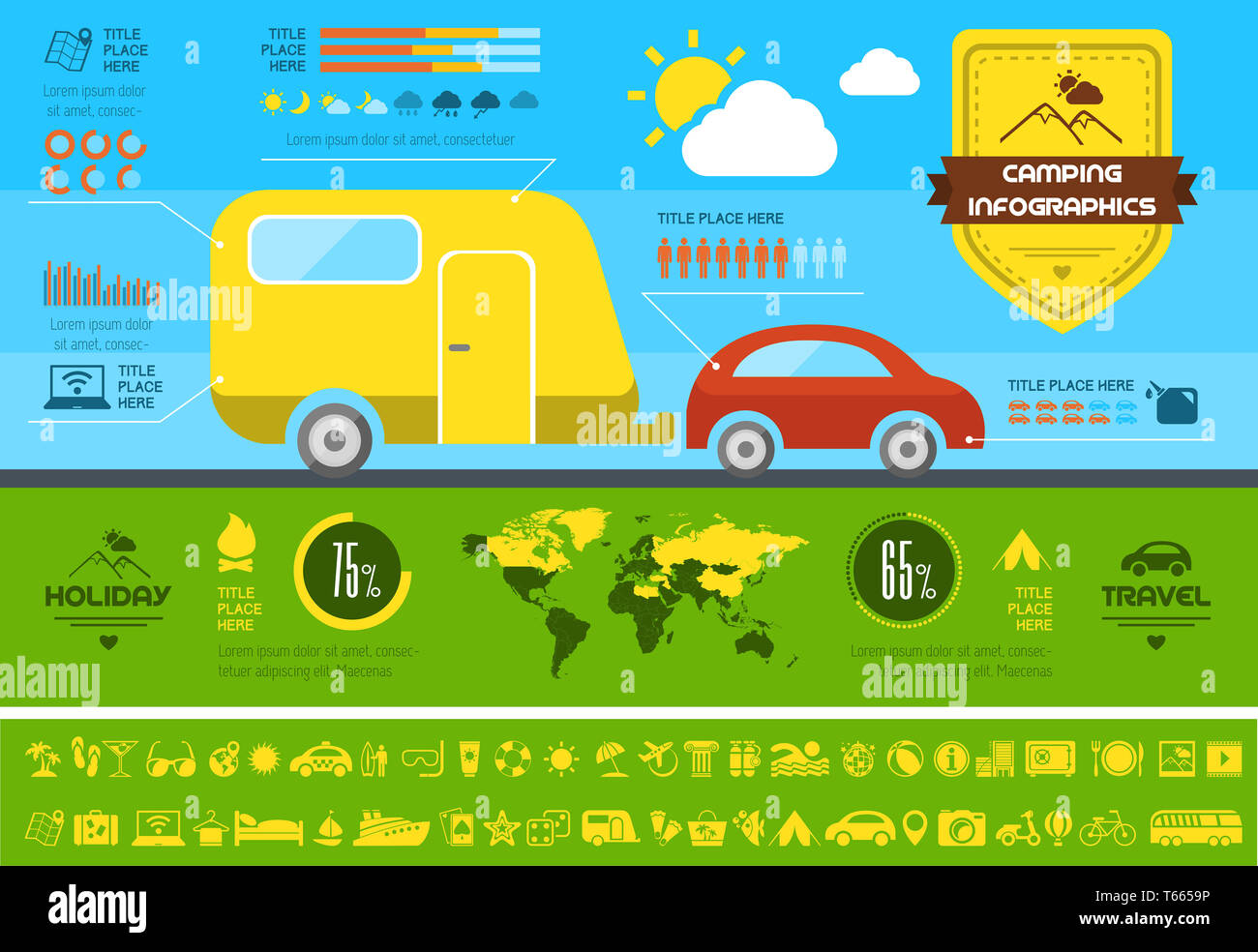
Vans, transformed buses, and small RVs stay one of the most noticeable form of nomadic housing. They provide optimal flexibility since the home and the setting of transportation coincide object. A person can chase after moderate climate throughout a whole continent without ever booking a flight or signing a lease. The tradeoff is area; van life needs minimalism, mindful storage space design, and comfort with small, multi-purpose living areas.
Tiny and Modular Houses
Tiny houses on high camp flask trailers or skids use even more convenience than a van while still being movable, though generally with less frequency. Some seasonal travelers keep two or three small homes posted in different climates and simply move between them a few times a year instead of moving regularly. Modular real estate sets have actually likewise made it less complicated to construct a comfy residence promptly in a brand-new area and dismantle it equally as conveniently when the period adjustments.
Revolving Short-Term Rentals and Co-Living Networks
Not every person intends to possess or tow a framework. Several seasonal wanderers rather rely upon temporary rental systems or membership-based co-living networks that give accessibility to supplied homes in numerous cities for a persisting charge. This design eliminates the problem of maintenance and transport entirely, trading some spontaneity for convenience and community, since many of these networks are constructed around shared rooms and get-togethers.
Practical Considerations Prior To Going Nomadic
Expense Planning
Nomadic housing can be cheaper than a typical lease, yet just with cautious budgeting. Fuel, storage costs, subscription expenses, and seasonal rental spikes in prominent destinations can add up promptly. Effective seasonal wanderers usually track prices across an entire year as opposed to contrasting single months, since the savings generally balance out over several seasons.
Lawful and Logistical Information
Residency requirements, mail forwarding, insurance, and lorry enrollment all become more intricate when a home steps or modifications location. Several nomads maintain a set lawful address in a tax-friendly state or country while literally living somewhere else for most of the year. Recognizing neighborhood guidelines for long-term parking, temporary leasings, and work authorizations is vital before devoting to this way of life.
Structure Neighborhood on the Move
One of the largest difficulties of nomadic living is the risk of seclusion. Successful seasonal vacationers typically solve this by going back to the same areas every year, constructing an identifiable rhythm and a familiar circle of individuals rather than beginning with zero every single time.
A Way Of Life Constructed Around Rhythm, Not Roots
Nomadic real estate for seasonal travel is much less regarding escaping an irreversible home and more regarding redesigning what "home" indicates. It trades a single set address for a rhythm of locations selected with intention. For the ideal individual, this trade brings far better weather, reduced costs, and a broader sense of belonging than any type of one residence might ever before offer.